
What is the home learning environment and why does it matter?
A child’s language development begins long before formal schooling, when the child first begins to distinguish sounds heard within the mother’s womb. Language skills are then shaped and nurtured by the child’s ‘home learning environment’ (HLE), which includes the physical characteristics of the home, but also the quality of the implicit and explicit learning support they receive from the caregivers. Studies show that every day conversations, make-believe play and reading activities are particularly influential features of the home learning environment, although daytime routines, trips to the park and visits to the library have also been shown to make a positive difference to children’s language development. In particular warm and nurturing parenting behaviours that encourage children’s natural curiosity and communicate reasonable expectations for learning are especially strong predictors of children’s school achievement, over and above parental income and social status.
The HLE and its impact on children’s skills have been widely studied in recent decades and its impact on child development has been documented extensively. For example, evidence shows that the quality of the HLE is a key predictor of a child’s future success and that there are specific activities and ways of communicating which can help support a child’s early language development.
Research clearly outlines the importance of the early HLE for a child’s educational and life outcomes:
- The HLE is an important factor in the development of early speech, language and communication. This not only impacts on a child’s development in the early years, but can persist until their GCSEs and A-Levels.
- The home learning environment is related to child social and emotional development in the early years and the benefits continue until age 16.
- The quality of the HLE is as important to intellectual and cognitive development as parental factors, such as occupation and education, suggesting that what parents do with their child is just as important as who they are.
- As early as 2-3 years, the HLE is predictive of verbal ability and effective in differentiating both over- and under-achieving groups from children achieving at the level expected for their age.
What makes a good home learning environment?
The amount and style of language that caregivers use when talking with their child is one of the strongest predictors of children’s early language development. In particular, back and forth conversations between the parent and child that are age-appropriate and reflect the child’s personal interests are consistently associated with increases in vocabulary and use of language throughout development.
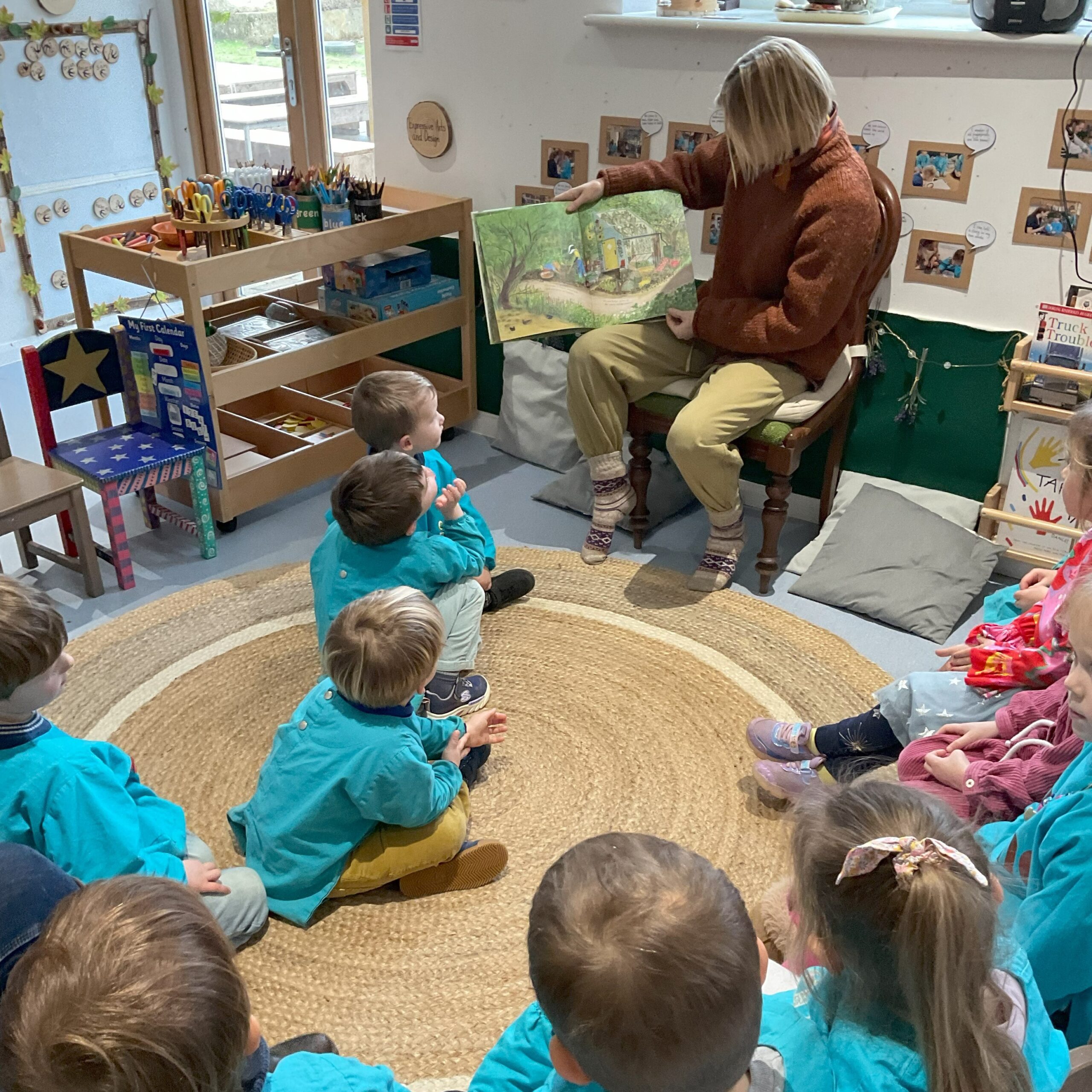
The activity that parents most frequently report doing with their child is looking at books or reading together. Book sharing explicitly supports the kinds of caregiver-child conversations that are found to be associated with children’s early language learning. A wide variety of other activities have also been proven to be beneficial. For example, conversations about toys, food and other household items during infancy are consistently associated with accelerated vocabulary growth and awareness of the communicative purposes of language. During toddlerhood, make-believe play and conversations about feelings and memories are also associated with children’s vocabulary development and expressive language use.
Studies also consistently show that the following home learning activities support children’s early language development:
- Going to the library
- Painting and drawing
- Playing with/being taught letters
- Playing with/being taught numbers
- Songs/poems/rhymes
Please use the links below to access ideas for your own Home Learning Environment:

Early Years Alliance – Family Corner
The Early Years Alliance’s Family Corner website has been relaunched to make it even easier for families to find:
- Fun learning through play ideas and activities
- Practical tips and guidance
- Online family learning sessions and courses
- A monthly newsletter

Singing Songs & Nursery Rhymes

This information has been taken from a document published by HMGov & the National Literacy Trust:
Improving the Home Learning Environment: A behaviour change approach
Suggested websites/activities are taken from the Oxfordshire County Council Early Years Toolkit